


Greenhouse has a reputation for making hiring consistent. If your company has ever lost a good candidate because two interviewers asked the same questions and nobody asked the important ones, Greenhouse was built to fix that.
A lot has changed in Greenhouse ATS. It added AI fraud detection, an interview notetaker, AI assistants like Claude to read hiring data, and it bought a voice AI company. For this guide, I went through Greenhouse’s features release, and what customers say in reviews.
TLDR; Greenhouse is still one of the best applicant tracking systems for companies to hire steadily.

Greenhouse
Nothing we know of does a better job of getting dozens of hiring managers to interview the same way. There’s no free trial, and setting it up properly takes weeks.
Smaller companies that hire a few people a year. A lighter ATS will cost far less.
What Is Greenhouse?
Greenhouse is a New York-based hiring platform founded in 2012. It’s an ATS, but it also covers sourcing and a candidate CRM, interview scheduling, reporting, and onboarding. Greenhouse is used by more than 7,500 companies and G2 ranked it the top ATS for enterprise and mid-market.
What makes it different isn’t about a feature but It’s the philosophy that decide what a good hire looks like before you meet anyone, then make every interviewer judge candidates against the same criteria.
What Greenhouse Does Well
Structured interviews
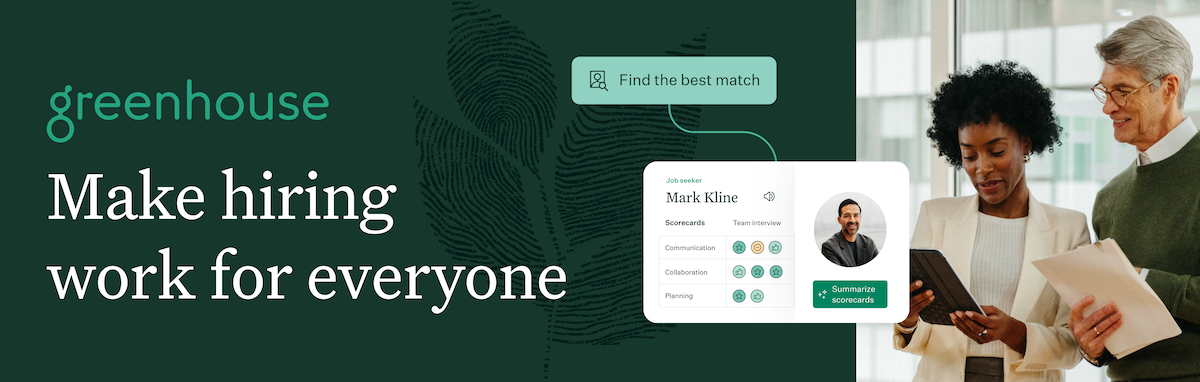
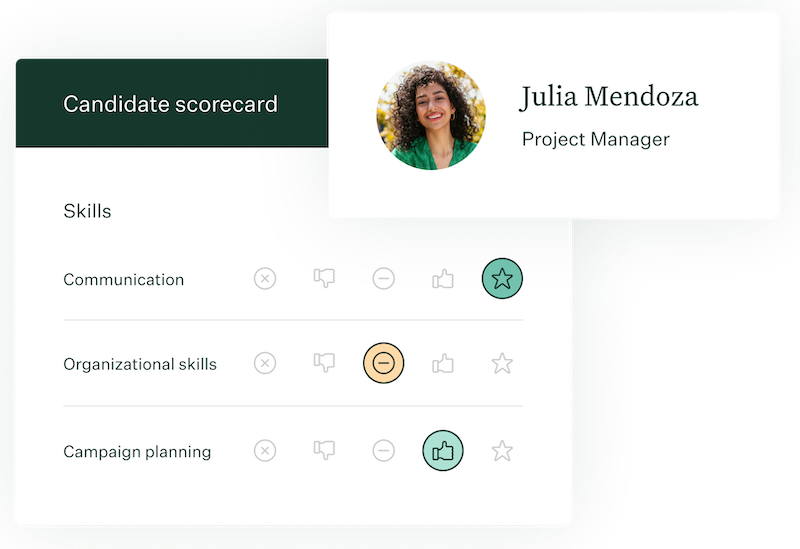
Every role in Greenhouse starts with a hiring plan. You define the skills and qualities you’re looking for, split them across interview stages, and Greenhouse builds an interview kit for each interviewer with suggested questions and a scorecard tied to those skills.
In practice it’s the reason Greenhouse customers stick with it. New hiring managers get a process to follow instead of improvising, debriefs focus on evidence rather than gut feel, and you have a record of why someone was or wasn’t hired.
Sourcing and candidate relationships
Greenhouse posts jobs to a wide network of job boards, builds branded careers pages, and runs referral programs and an internal job board. The CRM lets you keep talent pools warm and run bulk outreach to both prospects and past candidates.
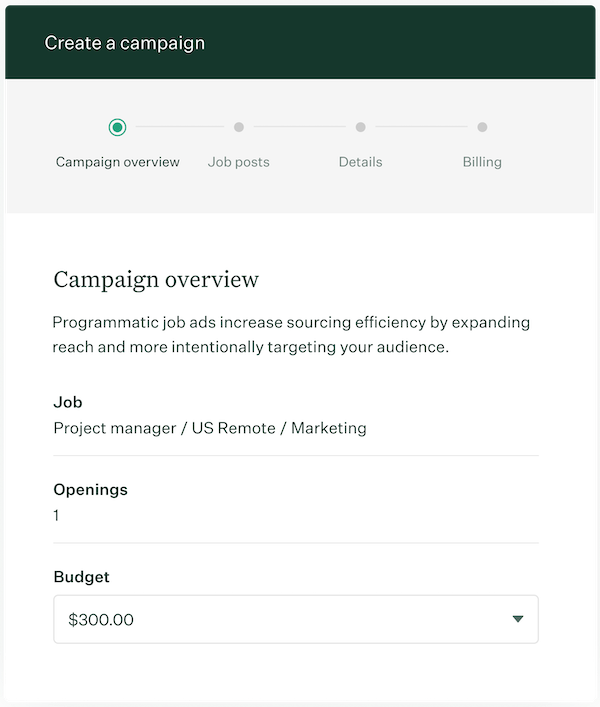
On the Plus plan, sourcing automation and texting come into play. If you’re not sure how much CRM you need, our guide to ATS vs CRM breaks it down.
Candidate experience
Candidates can book their own interview slots, which removes days of email back-and-forth. Greenhouse has also put effort into inclusive hiring like candidates can record how to pronounce their name and add their pronouns, take-home tests can be anonymized, and hiring managers get nudges about bias during evaluation.
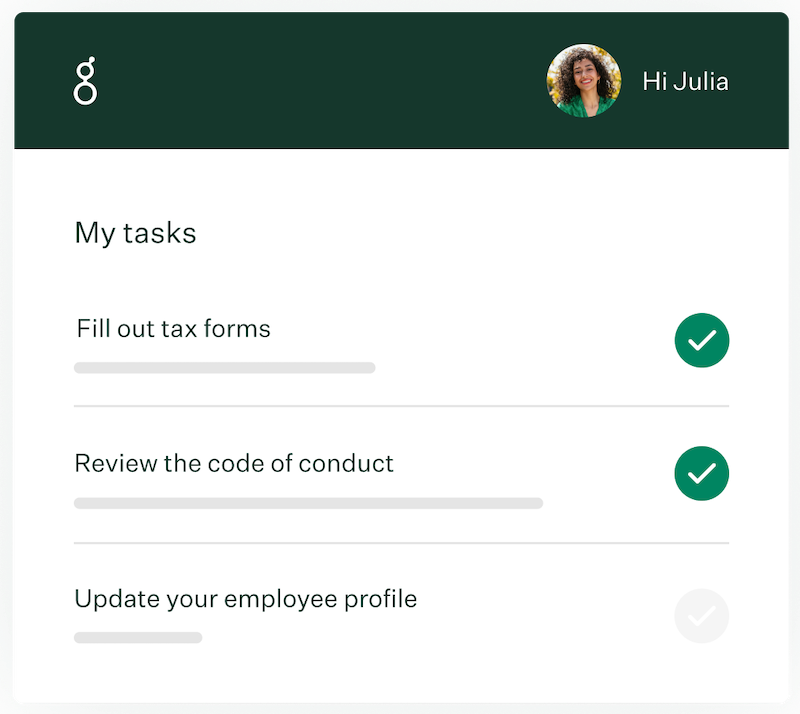
Integrations with Zoom and Google Meet handle virtual interviews.
AI that supports the process
Greenhouse launched Real Talent which matches applicants to roles and flags spam and fake applications using signals like phone numbers, email addresses, and location. Candidates can verify their identity with CLEAR.
Notetaker records and transcribes interviews and maps the notes to scorecard questions, so the write-up matches what you meant to assess. An Analytics Chart Agent turns a typed question into a chart.
Greenhouse launched an MCP server that lets approved AI tools such as Claude, Gemini, and Copilot read hiring data. It also bought Ezra AI Labs, which runs structured voice screening interviews. You can read more about these trends in our guide to AI in applicant tracking systems.
Integrations
This is one of Greenhouse’s biggest strengths. Its partner directory lists more than 450 integrations, covering HR systems like BambooHR, background checks, assessments, video interviewing, tableau, e-signature tools like PandaDoc, Slack, and Zapier.
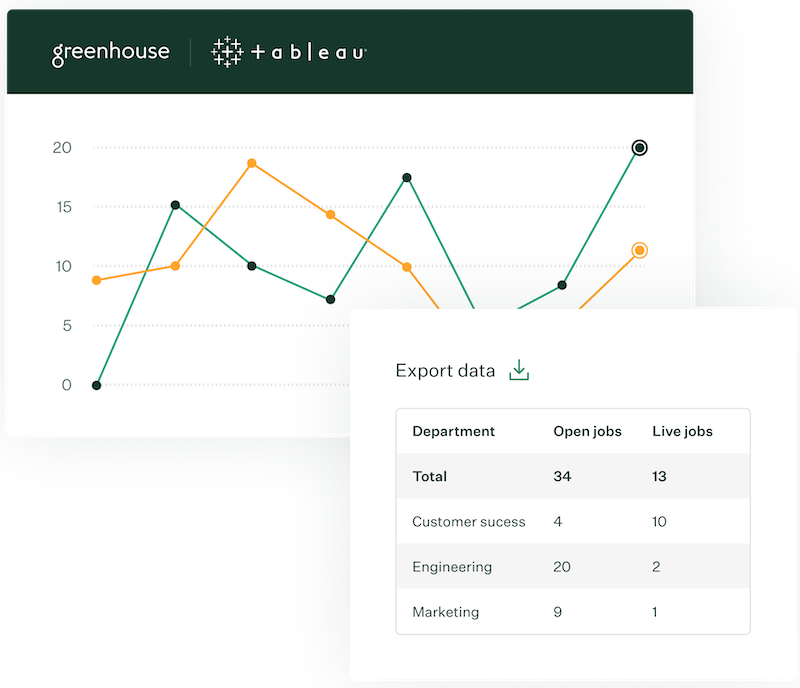
You can filter integrations by feature, company size, and region, and an open API covers anything custom.
Reporting and onboarding
Greenhouse has dozens of prebuilt reports, and higher plans add AI report filters and a business intelligence connector for teams that want hiring data in their own dashboards.
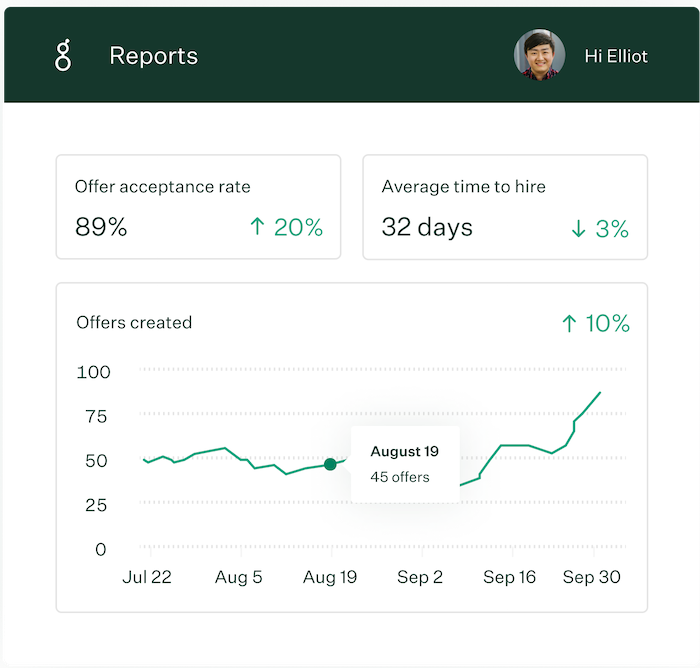
Greenhouse Onboarding picks up once an offer is accepted, with role-specific tasks and a resource hub for new hires.
Where It Falls Short
Pricing is the obvious one.
Greenhouse doesn’t publish prices publicly, and it doesn’t offer a free trial, so you’ll go through a sales process before you know what it costs. Based on multiple users reviews, It is expensive, which puts small companies out of reach.
Setup takes some effort too. The admin side isn’t intuitive and some parts of the interface is basic. You should plan for a proper implementation.
And support runs through the help center, chat, and tickets. It lacks phone support.
Pros & Cons
PROS
CONS
Greenhouse Pricing
Greenhouse sells three plans and quotes each one based on your hiring volume.
| Plan | Best for | What it adds |
|---|---|---|
| Core | Bringing structure to hiring | Sourcing and CRM, structured interview kits, AI Notetaker, scheduling, reporting, SSO, Real Talent matching |
| Plus | Adding teams and locations | AI report filters, BI connector, sourcing automation, texting, fraud and spam detection |
| Pro | Multi-region hiring and governance | Unlimited CRM events, enterprise data configuration, audit logs, developer sandbox, enterprise Real Talent features |
Greenhouse also offers an ROI calculator on its site. For context on what ATS products typically cost, see our guide to ATS pricing.
How Greenhouse Compares
Ashby is the competitor you’ll hear about most. It bundles the ATS, CRM, scheduling, analytics and is popular with fast-growing tech companies.
Lever leans harder into CRM and sourcing. Workable is simpler and suits smaller teams that want to start quickly.
If you already run HR and payroll on Rippling or BambooHR, their built-in recruiting modules may be enough.
Greenhouse wins when consistency, governance, and integrations matter more than price. You can compare all of these side by side in our list of the best applicant tracking systems.
Who Should Use Greenhouse?
Greenhouse fits companies that hire steadily, have lots of hiring managers and interviewers, and want every candidate treated the same way. It’s strong for tech companies scaling engineering teams, regulated industries like finance that need audit-friendly records, and enterprises hiring across regions.
It’s not the right choice if you hire a few people a year, need something running by next week, or have a tight budget.
Final Verdict
Greenhouse is still the benchmark for structured hiring. Its interview kits and scorecards work, its integrations cover almost any stack, and its approach to AI is sensible.
If you hire steadily and want a process you can defend, request a Greenhouse demo and ask for a quote on the plan that matches your size.